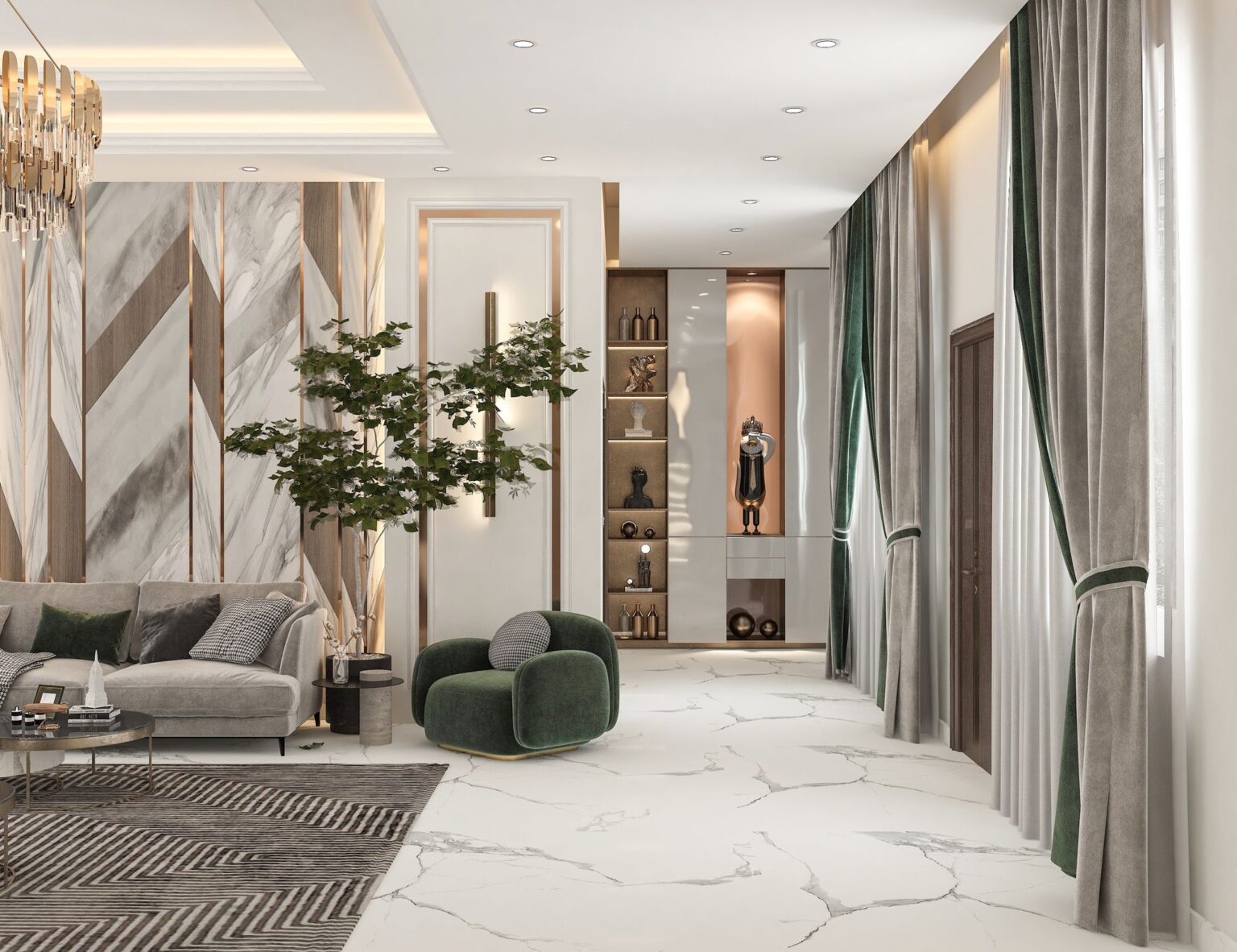
An interior designer is responsible for creating beautiful and functional spaces that reflect the taste and personality of their clients. It’s a challenging job that requires a variety of skills, technical knowledge, and communication skills, including creativity. But what are the most important qualities of a successful interior designer? In this article, we’ll help you identify the key traits that make an interior designer successful, and discover the qualities of the best interior designer, from a strong attention to detail and the ability to think outside the box, to having excellent interpersonal skills and the ability to work well under pressure. If you’re considering a career in interior design or looking to hire an interior designer to complete your home’s designs and decorations, keep reading to discover the qualities of the best interior designer.
Interior design is a creative and dynamic field that requires a combination of skills and qualities to bring a space to life. While anyone can decorate a room, it takes a specific set of attributes to excel in interior design. An interior designer must be able to balance creativity and practicality, possess strong communication skills, and be adept at solving various design problems. It’s not just about overseeing the design process; they must also be able to work within budget and meet the needs and preferences of their clients. Interior designers must also stay up-to-date with the latest trends and technologies in the interior design industry to provide their clients with the best possible solutions.
This is what we will focus on throughout this article, exploring the most important qualities of successful interior designers and how they contribute to the success of interior design styles and decor. Whether you are an aspiring interior designer or simply interested in the field and looking for the best interior designer, understanding these qualities will help you appreciate the value of a creative and talented interior designer.
One of the most important qualities of a top interior designer is creativity. A great interior designer is someone who can transform their clients’ vision into reality, possessing the ability to see beyond the existing space and transform it into a beautiful, functional, and unique space that reflects the client’s personality and style. Creativity isn’t just about having a good eye for color, texture, and form; it’s also about the ability to think outside the box and come up with innovative solutions to design challenges. A successful interior designer is always looking for new and creative ideas and isn’t afraid to take risks to create something truly remarkable. Moreover, creativity isn’t limited to the functional aspects of design; it also plays a key role in managing the project as a whole. Interior designers must also be able to think creatively when it comes to communication, problem-solving, and resource management. They must also be able to work within the client’s budget and deadlines while still delivering a high-quality design, seamlessly blended with the expertise of the entire team.
In short, creativity is a vital quality for a successful interior designer, enabling them to turn their clients’ dreams into reality while adhering to constraints such as budget and agreed-upon timelines. A creative interior designer can transform an ordinary space into an extraordinary one, leaving a lasting impact on their clients.
Attention to detail is a crucial quality every interior designer should possess. It’s the ability to notice small things that can have a significant impact on the overall look and feel of a design space. By paying close attention to detail, an interior designer who is keen on details can identify subtle differences that can enhance or detract from a room’s aesthetic appeal. This includes everything from selecting the right color palette and textures to choosing the perfect furniture and accessories that complement the rest of the decor. Precise measurements, spacing, and placement of elements within a room can make a significant difference in the final result of the interior design and its decorative elements. Attention to detail means that the designer has a deep understanding of the importance of these elements and can seamlessly integrate them into the overall design plan. Attention to small details also truly distinguishes an interior designer and makes their work stand out. Interior designers with this quality are able to create beautiful and functional spaces that meet their clients’ needs and desires. They can bring the vision to life by paying attention to the smallest details and ensuring that every aspect of the design works together harmoniously. Clients who hire an interior designer with excellent attention to detail can expect to achieve this. In detail, they should be confident that they will get an amazing and functional final product.
Communication is the backbone of any design project. It is essential for an interior designer to possess excellent communication skills to build strong relationships with clients and effectively convey their ideas. A good interior designer must be an active listener, someone who can understand the client’s needs, preferences, and vision for their space. Furthermore, an interior designer must be able to translate their own ideas into a language the client can understand. This means they must be adept at both verbal and written communication. They must be able to present and explain their designs and effectively communicate any concerns about the project to the client. Clear and effective communication is crucial to ensuring the project is executed to the client’s satisfaction. A successful interior designer must also be able to communicate effectively with other professionals involved in the project, such as architects and contractors. To achieve a cohesive design, all parties must be on the same page, and communication is key to achieving this. Overall, communication skills are essential for any interior designer aspiring to succeed in the industry.
Technical expertise is a key quality for a successful interior designer, enabling them to create designs that are not only aesthetically pleasing but also meet all the professional standards of interior design. A good interior designer must have a deep understanding of design principles, spatial planning, and building codes. They also need a strong foundation in design software such as AutoCAD, SketchUp, and Adobe Creative Suite.
Furthermore, they must be familiar with various materials, finishes, and furnishings, as well as lighting and accessories. In addition, an interior designer must be meticulous about detail and capable of managing and overseeing the construction process to ensure the design vision is executed correctly. Technical expertise is not only important for creating a beautiful space but also for ensuring the functionality of the interior design.
Clients trust interior designers to bring their vision to life, and technical expertise is crucial in this process. Without it, the designer may struggle to deliver the desired result and could even compromise the safety of their clients. Therefore, it is essential to choose an interior designer with the necessary technical skills and knowledge to create a functional and beautiful space with an innovative style.